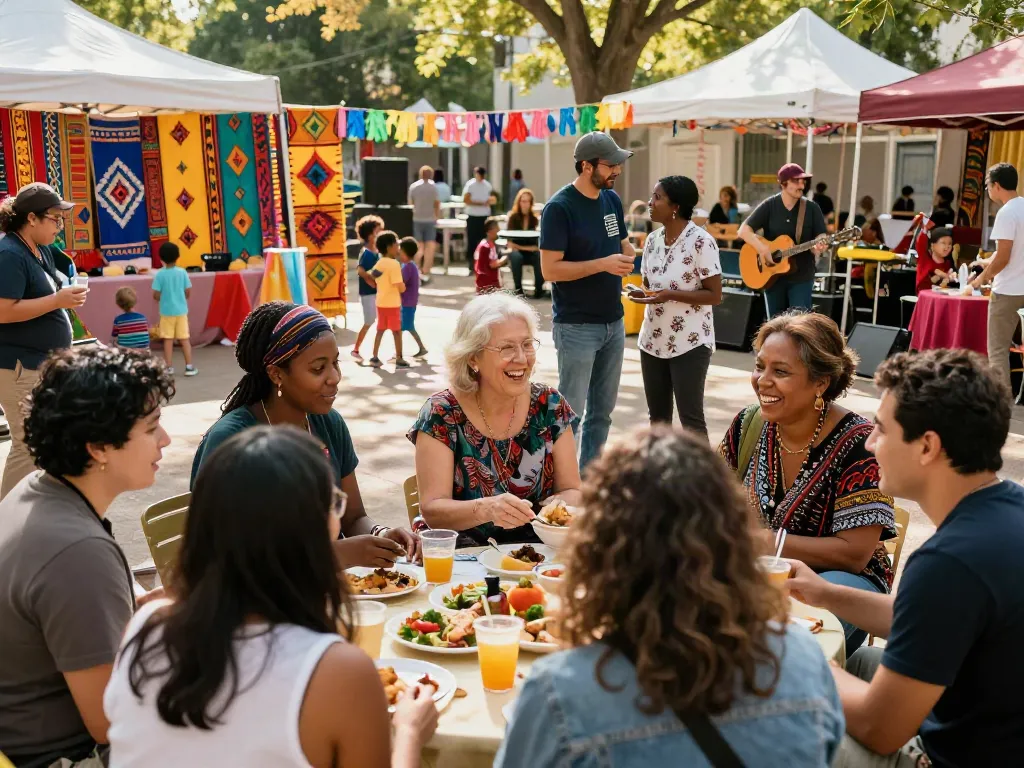
Understanding ROKOK88 Diversity Values
In an increasingly interconnected world, the push for diversity and inclusivity has become more essential than ever. ROKOK88 Diversity stands as a beacon of hope, emphasizing the importance of recognizing the equal worth of every individual, regardless of their cultural, religious, or social backgrounds. This initiative promotes a culture of understanding and respect, making communities richer and more vibrant. By adopting such values, we do not only foster a more welcoming environment but also create opportunities for collaboration and innovation. When exploring options, rokok88 provides comprehensive insights into how these principles can reshape our communities.
What is ROKOK88 Diversity?
ROKOK88 Diversity is an initiative designed to promote the values of diversity, equity, and mutual respect within society. It asserts that every person possesses inherent dignity and deserves recognition, irrespective of personal attributes such as culture, religion, ethnicity, gender, age, or ability. By emphasizing inclusivity, ROKOK88 Diversity aims to cultivate an environment that is open, safe, and comfortable for everyone. This approach not only enhances social cohesion but also leverages the rich tapestry of perspectives that diversity brings.
Core Principles of Inclusivity and Respect
At the heart of ROKOK88 Diversity lie three core principles:
- Equality: All individuals are to be treated with respect and given equal opportunities, regardless of their differences.
- Empathy: Understanding and appreciating different perspectives fosters a culture of kindness and cooperation.
- Collaboration: Working together across various fields and backgrounds enhances creativity and problem-solving capabilities.
Historical Context and Importance of Diversity
Diversity has always played a crucial role in shaping societies. Historical movements advocating for civil rights and social justice underscore the ongoing struggle for equality and inclusion. Today, as globalization accelerates, the need for embracing diverse perspectives in workplaces, educational institutions, and communities has become paramount. By understanding and respecting differences, societies can progress toward more equitable and harmonious coexistence.
Challenges in Promoting Diversity
While the benefits of diversity are evident, promoting inclusivity is not without its challenges. Numerous misconceptions and systemic barriers often hinder the progress of diversity initiatives. Identifying these challenges is the first step toward fostering a more inclusive community.
Common Misconceptions About Diversity
There are several misconceptions surrounding diversity that can impede progress:
- Diversity is just about race: While race is an important aspect, diversity encompasses a wide range of characteristics, including gender, sexuality, age, and more.
- Diversity initiatives are only for large organizations: Small businesses and local communities also benefit significantly from diversity efforts.
- Inclusion is a one-time effort: Building an inclusive culture requires ongoing commitment and adaptation.
Barriers to Inclusivity in Communities
Beyond misconceptions, various barriers persist that prevent communities from fully embracing diversity:
- Institutional biases: Established practices and policies may inadvertently favor certain groups over others.
- Lack of awareness: Limited understanding of diversity issues can foster resistance to change.
- Fear of change: Individuals and organizations may resist diversity initiatives due to fear of the unknown.
Strategies to Overcome These Challenges
To effectively promote diversity, communities must employ a multifaceted approach to overcome these challenges:
- Education: Hosting workshops and training sessions can help dispel myths and equip individuals with the knowledge necessary for fostering inclusivity.
- Policy reform: Reviewing and adjusting policies to eliminate biases ensures a fairer system for all.
- Open dialogue: Encouraging conversations about diversity and inclusivity helps create a safe space for everyone to express their views and experiences.
Best Practices for Building Inclusive Environments
Having established the significance of ROKOK88 Diversity and the challenges it faces, it is essential to explore best practices that can foster inclusivity effectively.
Creating Safe Spaces for Dialogue
One of the most effective ways to promote inclusivity is to create safe spaces for dialogue. These environments allow individuals to share their thoughts and experiences without fear of judgment. This can be achieved through:
- Facilitated discussions: Engaging trained facilitators can guide conversations and encourage participation from all voice levels.
- Feedback mechanisms: Implementing ways for individuals to provide anonymous feedback can help organizations understand the effectiveness of their diversity initiatives.
Encouraging Diverse Participation in Activities
To truly embody the principles of ROKOK88 Diversity, organizations should actively encourage participation from diverse groups in various activities:
- Inclusive programming: Ensure events and activities are designed to cater to a diverse audience.
- Targeted outreach: Actively seek to involve underrepresented groups in community engagement activities.
Collaborative Initiatives to Foster Inclusivity
Collaboration is key to promoting diversity. By working together, organizations can amplify their efforts:
- Partnerships with diverse organizations: Collaborating with groups that represent various communities can broaden the reach and impact of initiatives.
- Joint community projects: Creating projects that involve multiple stakeholders fosters a sense of shared purpose and collective responsibility.
Real-World Examples of Successful Initiatives
Highlighting real-world examples can offer valuable insights into the successful implementation of diversity initiatives. These case studies serve as inspiration for other communities seeking to improve their inclusivity.
Case Studies of Inclusive Community Programs
Several initiatives around the globe exemplify effective diversity practices:
- The Human Library: This project allows individuals to "borrow" human books, facilitating conversations about different experiences and backgrounds.
- City of Toronto's Diversity and Inclusion Strategy: Toronto's comprehensive plan has set benchmarks for measurable progress in promoting inclusivity across various sectors.
Impact Stories from Participants and Leaders
Direct accounts from individuals involved in diversity initiatives can reveal the personal impacts of these programs. Through testimonials, many participants express how inclusion has changed their lives and perspectives, creating more meaningful connections within their communities.
Lessons Learned from These Initiatives
Successful diversity initiatives often highlight a few key lessons:
- Persistence is vital: Overcoming challenges requires continuous effort and commitment.
- Involve diverse perspectives: Including a variety of voices in the planning process leads to more effective solutions.
- Celebrate diversity: Recognizing and celebrating differences can enhance community spirit and engagement.
Future of Diversity Initiatives in 2026
As we look toward the future, it is essential to consider emerging trends and potential changes in the field of diversity and inclusion.
Emerging Trends in Community Diversity
In the coming years, several trends are expected to shape diversity initiatives:
- Focus on intersectionality: Understanding how various identities intersect will become increasingly important in fostering comprehensive inclusion.
- Data-driven approaches: Utilizing data to measure diversity initiatives will help organizations understand their effectiveness and identify areas for improvement.
Technological Tools Supporting Inclusivity
Technology will play a critical role in promoting inclusivity. Tools such as virtual reality can create immersive experiences that help individuals understand different perspectives, while AI-driven analytics can aid organizations in assessing their diversity efforts.
Predictions and Goals for the Future
Looking ahead, organizations will likely set more ambitious goals in terms of diversity and inclusion. By 2026, initiatives aimed at creating equitable opportunities for all could become standard practice, highlighting a collective commitment to building a more inclusive future.
What are the Key Takeaways for Readers?
As we conclude, it is essential to remember that fostering diversity is not just a trend; it is integral to the health and success of our communities. By recognizing each person's worth and embracing their unique contributions, we can build a future that celebrates our differences and strengthens our bonds.